TopStudy

Tiếng Anh · Lớp 9

Đề thi giữa kì 2 Tiếng Anh 9 Global Success có đáp án - Đề 6

40 câu · 60 phút · Ngân hàng đề TopStudy. Đáp án và lời giải do TopStudy biên soạn, mở ngay dưới từng câu.

Làm bài

Nội dung đề

Phần I. Trắc nghiệm nhiều lựa chọn

Câu 1

1 điểm
What did Poppy learn to make on Monday?
  1. Đáp án A: A fire
  2. Đáp án B: A shelter
  3. Đáp án C: A tent
  4. Đáp án D: A medicine
Xem đáp án và lời giải

Lời giải do TopStudy biên soạn

Đáp án: B

What did Poppy learn to make on Monday? (Hôm thứ Hai, Poppy đã học cách làm gì?)

A. A fire: Lửa

B. A shelter: Nơi trú ẩn

C. A tent: Lều

D. A medicine: Thuốc

Thông tin: P: No. We learnt how to make a shelter when we got there on Monday

Dịch nghĩa: P: Không. Chúng tớ đã học cách dựng nơi trú ẩn khi đến đó vào thứ Hai

Chọn B.

Câu 2

1 điểm
Where did Poppy sleep at night?
  1. Đáp án A: Outside
  2. Đáp án B: In a shelter
  3. Đáp án C: In a tent
  4. Đáp án D: In a cave
Xem đáp án và lời giải

Lời giải do TopStudy biên soạn

Đáp án: C

Where did Poppy sleep at night? (Vào ban đêm, Poppy đã ngủ ở đâu?)

A. Outside: Bên ngoài

B. In a shelter: Trong nơi trú ẩn

C. In a tent: Trong lều

D. In a cave: Trong hang động

Thông tin: P: ...but it was cold at night, so we slept in tents in the end.

Dịch nghĩa: P: ...nhưng ban đêm trời lạnh nên cuối cùng bọn mình đã ngủ trong lều.

Chọn C.

Câu 3

1 điểm
What did Poppy do on Wednesday?
  1. Đáp án A: Watched stars
  2. Đáp án B: Walked in mountains
  3. Đáp án C: Looked for spiders
  4. Đáp án D: Swam in a waterfall
Xem đáp án và lời giải

Lời giải do TopStudy biên soạn

Đáp án: B

What did Poppy do on Wednesday? (Poppy đã làm gì vào thứ Tư?)

A. Watched stars: Ngắm sao

B. Walked in mountains: Đi bộ trên núi

C. Looked for spiders: Tìm nhện

D. Swam in a waterfall: Bơi ở thác nước

Thông tin: P: On Wednesday we walked up a path into the mountains to look for wild animals.

Dịch nghĩa: P: Vào thứ Tư, bọn mình đi bộ theo một con đường mòn lên núi để tìm kiếm động vật hoang dã.

Chọn B.

Câu 4

1 điểm
What animals were living in the cave?
  1. Đáp án A: Bears
  2. Đáp án B: Spiders
  3. Đáp án C: Bats
  4. Đáp án D: Wild dogs
Xem đáp án và lời giải

Lời giải do TopStudy biên soạn

Đáp án: C

What animals were living in the cave? (Những con vật nào sống trong hang động?)

A. Bears: Những con gấu

B. Spiders: Những con nhện

C. Bats: Những con dơi

D. Wild dogs: Những con chó hoang

Thông tin: P: But we found a cave where hundreds of bats were living.

Dịch nghĩa: P: Nhưng bọn mình đã tìm thấy một hang động nơi có hàng trăm con dơi sinh sống.

Chọn C.

Câu 5

1 điểm
What did Poppy discover on the last day?
  1. Đáp án A: Wild animals
  2. Đáp án B: A beautiful waterfall
  3. Đáp án C: A hidden cave
  4. Đáp án D: Unusual plants
Xem đáp án và lời giải

Lời giải do TopStudy biên soạn

Đáp án: D

What did Poppy discover on the last day? (Poppy đã khám phá ra điều gì vào ngày cuối cùng?)

A. Wild animals: Động vật hoang dã

B. A beautiful waterfall: Một thác nước tuyệt đẹp

C. A hidden cave: Một hang động ẩn

D. Unusual plants: Những loài thực vật lạ (bất thường)

Thông tin: P: But the best day was the last day. We discovered unusual plants in the forest that you can use for medicine.

Dịch nghĩa: P: Nhưng ngày tuyệt nhất là ngày cuối cùng. Bọn mình đã khám phá ra những loài thực vật lạ trong rừng mà cậu có thể dùng làm thuốc.

Chọn D.

Audio script:

M = Milo P = Poppy

M: Are these your photos from Wild Adventure?

P: Yes, it was amazing. That’s the sunset on the second day, so Tuesday. We made a fire and told stories when it was dark!

M: Cool. Did you really sleep outside?

P: No. We learnt how to make a shelter when we got there on Monday, but it was cold at night, so we slept in tents in the end. A girl in my tent liked listening to the wildlife in the forest, but I didn’t hear a thing. I slept so well.

M: Ugh, it looks freezing!

P: Yes, but at least it wasn’t raining. On Thursday night there weren’t any clouds and we watched the stars. It was awesome.

M: And were there lots of spiders?

P: No, I think it was too cold for them. Honestly, Milo, it was so good to do something different every day. On Wednesday we walked up a path into the mountains to look for wild animals. Then we ate near a waterfall.

M: Did you see any bears?

P: No, don’t be silly! But we found a cave where hundreds of bats were living.

M: Ah, now that sounds fun. I like bats.

P: It was. But the best day was the last day. We discovered unusual plants in the forest that you can use for medicine.

M: Great... Er, have you got something for a headache?

Dịch bài nghe:

M = Milo, P = Poppy

M: Đây có phải là những bức ảnh của cậu ở trại Wild Adventure không?

P: Đúng vậy, nó thật tuyệt vời. Đó là cảnh hoàng hôn vào ngày thứ hai, tức là thứ Ba. Bọn tớ đã đốt lửa và kể chuyện khi trời tối!

M: Tuyệt quá. Cậu có thực sự ngủ ở ngoài trời không?

P: Không. Bọn tớ đã học cách làm nơi trú ẩn khi đến đó vào thứ Hai, nhưng ban đêm trời lạnh nên cuối cùng bọn tớ đã ngủ trong lều. Một bạn nữ trong lều của tớ thích nghe tiếng động vật hoang dã trong rừng, nhưng tớ chẳng nghe thấy gì cả. Tớ đã ngủ rất ngon.

M: Eo ôi, trông có vẻ lạnh cóng!

P: Đúng vậy, nhưng ít nhất trời không mưa. Vào tối thứ Năm trời không có mây và bọn tớ đã ngắm sao. Thật tuyệt vời.

M: Và có nhiều nhện không?

P: Không, tớ nghĩ là quá lạnh đối với chúng. Thành thật mà nói, Milo à, thật tốt khi được làm một điều gì đó khác biệt mỗi ngày. Vào thứ Tư, bọn tớ đi bộ theo một con đường mòn lên núi để tìm kiếm động vật hoang dã. Sau đó bọn tớ ăn ở gần một thác nước.

M: Các cậu có thấy con gấu nào không?

P: Không, đừng ngớ ngẩn thế! Nhưng bọn tớ đã tìm thấy một hang động nơi có hàng trăm con dơi sinh sống.

M: À, nghe thú vị đấy. Tớ thích dơi.

P: Đúng thế. Nhưng ngày tuyệt nhất là ngày cuối cùng. Bọn tớ đã khám phá ra những loài thực vật lạ trong rừng mà cậu có thể dùng làm thuốc.

M: Tuyệt... Ờ, cậu có thuốc gì chữa đau đầu không?
Câu 6

1 điểm
Mark the letter A, B, C, or D to indicate the word whose underlined part differs from the other three in pronunciation in each of the following questions.
  1. Đáp án A: historic
  2. Đáp án B: picturesque
  3. Đáp án C: enter
  4. Đáp án D: sentence
Xem đáp án và lời giải

Câu 7

1 điểm
Mark the letter A, B, C, or D to indicate the word whose underlined part differs from the other three in pronunciation in each of the following questions.
  1. Đáp án A: tourism
  2. Đáp án B: souvenir
  3. Đáp án C: throughout
  4. Đáp án D: youthful
Xem đáp án và lời giải

Câu 8

1 điểm
Mark the letter A, B, C, or D to indicate the word that differs from the other three in the position of primary stress in each of the following questions.
  1. Đáp án A: locate
  2. Đáp án B: occur
  3. Đáp án C: follow
  4. Đáp án D: permit
Xem đáp án và lời giải

Câu 9

1 điểm
Mark the letter A, B, C, or D to indicate the word that differs from the other three in the position of primary stress in each of the following questions.
  1. Đáp án A: accommodation
  2. Đáp án B: demonstration
  3. Đáp án C: justification
  4. Đáp án D: impossibility
Xem đáp án và lời giải

Câu 10

1 điểm

Mark the letter A, B, C, or D to indicate the correct answer to each of the following questions.

He’s the guy ______ helped me learn Italian as a second language.

  1. Đáp án A: what
  2. Đáp án B: whom
  3. Đáp án C: who
  4. Đáp án D: whose
Xem đáp án và lời giải

Câu 11

1 điểm
South America has glaciers, waterfalls, and diverse ______ from desert to jungle.
  1. Đáp án A: paradises
  2. Đáp án B: ecosystems
  3. Đáp án C: monuments
  4. Đáp án D: landscapes
Xem đáp án và lời giải

Câu 12

1 điểm
Son Doong Cave is one of the most fascinating ______ that can be experienced in Southeast Asia.
  1. Đáp án A: expeditions
  2. Đáp án B: explorations
  3. Đáp án C: journeys
  4. Đáp án D: destinations
Xem đáp án và lời giải

Câu 13

1 điểm
A ______ dictionary is a specialized dictionary used to translate words or phrases from one language to another.
  1. Đáp án A: bilingual
  2. Đáp án B: multilingual
  3. Đáp án C: monolingual
  4. Đáp án D: trilingual
Xem đáp án và lời giải

Câu 14

1 điểm
Staying at a ______ allowed us to immerse ourselves in the local culture and form meaningful connections with our hosts.
  1. Đáp án A: hotel
  2. Đáp án B: homestay
  3. Đáp án C: motel
  4. Đáp án D: remote place
Xem đáp án và lời giải

Câu 15

1 điểm
The worker asked the manager if he ______ the promotion the following month.
  1. Đáp án A: have received
  2. Đáp án B: had received
  3. Đáp án C: would receive
  4. Đáp án D: will receive
Xem đáp án và lời giải

Câu 16

1 điểm
Canada’s sports tourism, ______ helps develop the economy substantially, has a number of objectives.
  1. Đáp án A: which
  2. Đáp án B: that
  3. Đáp án C: who
  4. Đáp án D: where
Xem đáp án và lời giải

Câu 17

1 điểm
Tam: May I go out for a few minutes, teacher? - Teacher: ______
  1. Đáp án A: Sure, you can.
  2. Đáp án B: No, you mayn't.
  3. Đáp án C: Yes, you should.
  4. Đáp án D: No, thanks.
Xem đáp án và lời giải

Câu 18

1 điểm
A: Good luck with your IELTS exam next week! - B: ______
  1. Đáp án A: I’m not taking anything.
  2. Đáp án B: I’d love to. Thanks a lot.
  3. Đáp án C: Yes, I agree with you.
  4. Đáp án D: Thanks. I’ll try my best.
Xem đáp án và lời giải

Câu 19

1 điểm
We were in the town when their annual festival took place. It was amazing.
  1. Đáp án A: sustainable
  2. Đáp án B: urgent
  3. Đáp án C: majestic
  4. Đáp án D: yearly
Xem đáp án và lời giải

Câu 20

1 điểm
We need to work out the travel details, like transportation and accommodation, before booking our flights.
  1. Đáp án A: suspect
  2. Đáp án B: ignore
  3. Đáp án C: plan
  4. Đáp án D: conserve
Xem đáp án và lời giải

Câu 21

1 điểm
Speaking English with clarity is important for effective communication with people from diverse linguistic backgrounds.
  1. Đáp án A: charity
  2. Đáp án B: community
  3. Đáp án C: variety
  4. Đáp án D: obscurity
Xem đáp án và lời giải

Câu 22

1 điểm
The bus follows a fixed route with scheduled stops at popular tourist destinations.
  1. Đáp án A: estimable
  2. Đáp án B: promotional
  3. Đáp án C: various
  4. Đáp án D: flexible
Xem đáp án và lời giải

Câu 23

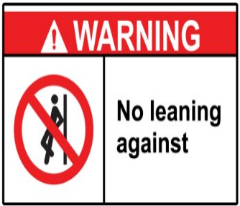
1 điểm

What does the sign say?

Hình minh hoạ

  1. Đáp án A: Leaning against the wall is possible.
  2. Đáp án B: Don’t stand near the wall because it’s leaning.
  3. Đáp án C: Do not lean against the wall.
  4. Đáp án D: This is not a leaning wall.
Xem đáp án và lời giải

Câu 24

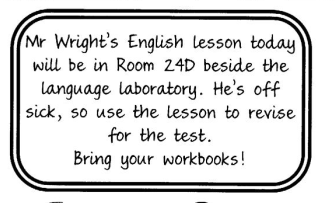
1 điểm

What does the notice say?

Hình minh hoạ

  1. Đáp án A: The English class must take their workbooks to the language laboratory.
  2. Đáp án B: The room for English lessons is changing because of the test.
  3. Đáp án C: The usual English teacher cannot attend today’s lesson.
  4. Đáp án D: Mr. Wright is waiting for his English students and will help them revise for the test.
Xem đáp án và lời giải

Câu 25

1 điểm
In countries (25) __________ English is the first language, such as the USA, Canada, or Australia,...
  1. Đáp án A: where
  2. Đáp án B: which
  3. Đáp án C: who
  4. Đáp án D: whose
Xem đáp án và lời giải

Câu 26

1 điểm
........., people often use their own local (26) __________.
  1. Đáp án A: sounds
  2. Đáp án B: dialects
  3. Đáp án C: voices
  4. Đáp án D: speeches
Xem đáp án và lời giải

Câu 27

1 điểm
In many other countries, English is (27) __________ as a second language in schools and offices.
  1. Đáp án A: use
  2. Đáp án B: using
  3. Đáp án C: used
  4. Đáp án D: to use
Xem đáp án và lời giải

Câu 28

1 điểm
The vocabulary in these places is often based (28) __________ British conventions, but the pronunciation is influenced by local tongues.
  1. Đáp án A: on
  2. Đáp án B: at
  3. Đáp án C: in
  4. Đáp án D: with
Xem đáp án và lời giải

Câu 29

1 điểm
English has also become the (29) __________ language of international organizations.
  1. Đáp án A: original
  2. Đáp án B: natural
  3. Đáp án C: official
  4. Đáp án D: bilingual
Xem đáp án và lời giải

Câu 30

1 điểm
(30) __________, learning just one variety of English is not enough; students should try to listen to different accents to improve their understanding.
  1. Đáp án A: However
  2. Đáp án B: Therefore
  3. Đáp án C: Although
  4. Đáp án D: Because
Xem đáp án và lời giải

Câu 31

1 điểm
Which of the following could be the best title for the passage?
  1. Đáp án A: The History of Global Languages
  2. Đáp án B: How to Use Translation Apps
  3. Đáp án C: Navigating Language Barriers while Traveling
  4. Đáp án D: The Importance of Learning Grammar
Xem đáp án và lời giải

Câu 32

1 điểm
The phrase “This technology” in paragraph 2 refers to __________.
  1. Đáp án A: a smartphone
  2. Đáp án B: a text
  3. Đáp án C: a translation app
  4. Đáp án D: a sign
Xem đáp án và lời giải

Câu 33

1 điểm
According to the passage, how can offline maps help travelers?
  1. Đáp án A: They help translate local signs.
  2. Đáp án B: They allow travelers to find directions without internet.
  3. Đáp án C: They show the best places to eat.
  4. Đáp án D: They provide historical information about the city.
Xem đáp án và lời giải

Câu 34

1 điểm
The word “appreciate” in paragraph 3 is closest in meaning to __________.
  1. Đáp án A: ignore
  2. Đáp án B: value
  3. Đáp án C: dislike
  4. Đáp án D: forget
Xem đáp án và lời giải

Câu 35

1 điểm
Which of the following is NOT mentioned to communicate with locals?
  1. Đáp án A: Using gestures
  2. Đáp án B: Learning basic phrases
  3. Đáp án C: Using translation apps
  4. Đáp án D: Writing long letters
Xem đáp án và lời giải

Câu 36

1 điểm
It can be inferred from the passage that __________.
  1. Đáp án A: Travelers must be fluent in the local language to enjoy their trip.
  2. Đáp án B: Technology has made international travel more accessible.
  3. Đáp án C: Smiles are only understood in certain cultures.
  4. Đáp án D: Local people don't like it when travelers make mistakes.
Xem đáp án và lời giải

Câu 37

1 điểm
“Can you buy a picture book on the ancient natural wonders, Mum?” said Henry.
  1. Đáp án A: Henry asked his Mum to buy him a picture book on the ancient natural wonders.
  2. Đáp án B: Henry asked his Mum if she can buy a picture book on the ancient natural wonders.
  3. Đáp án C: Henry asked his Mum if she could buy a picture book on the ancient natural wonders.
  4. Đáp án D: Henry told his Mum to buy a picture book on the modern natural wonders.
Xem đáp án và lời giải

Câu 38

1 điểm
They said that they were going to see the baobab trees in Madagascar that weekend.
  1. Đáp án A: “We are going to see the baobab trees in Madagascar this weekend,” they said.
  2. Đáp án B: They said, “They were going to see the baobab trees in Madagascar that weekend.”
  3. Đáp án C: “They were going to see the baobab trees in Madagascar this weekend,” we said.
  4. Đáp án D: We said, “We are going to see the baobab trees in Madagascar that weekend.”
Xem đáp án và lời giải

Câu 39

1 điểm
The tourists visited a local market. The market sold beautiful handmade crafts.
  1. Đáp án A: The tourists visited a local market, which sold beautiful handmade crafts.
  2. Đáp án B: The tourists who visited a market sold beautiful handmade crafts.
  3. Đáp án C: Tourists visited the beautiful handmade crafts sold at a local market.
  4. Đáp án D: A local market sold beautiful handmade crafts which the tourists visited.
Xem đáp án và lời giải

Câu 40

1 điểm
Many English words come from other languages. These words enrich the English vocabulary.
  1. Đáp án A: There are many English words coming from other languages to enrich the vocabulary.
  2. Đáp án B: Enriching the English vocabulary, many English words come from other languages.
  3. Đáp án C: Other languages are the source of many English words, which enrich the vocabulary.
  4. Đáp án D: Many English words come from other languages that enrich the English vocabulary.
Xem đáp án và lời giải

Đề cùng chủ đề

Tất cả đề Đề thi giữa kì 2 Tiếng Anh 9 - Global Success · Các bộ sách Tiếng Anh Lớp 9