TopStudy

Tiếng Anh · Lớp 7

20 câu trắc nghiệm Tiếng Anh 7 Unit 10: Energy Sources - Vocabulary and Grammar - iLearn Smart World có đáp án

20 câu · 30 phút · Ngân hàng đề TopStudy. Đáp án và lời giải do TopStudy biên soạn, mở ngay dưới từng câu.

Làm bài

Nội dung đề

Phần I. Trắc nghiệm nhiều lựa chọn

Câu 1

1 điểm

Choose the correct answer.

Solar energy is ______ than fossil fuels.

  1. Đáp án A: clean
  2. Đáp án B: cleaner
  3. Đáp án C: cleanest
  4. Đáp án D: more clean
Xem đáp án và lời giải

Lời giải do TopStudy biên soạn

Đáp án: B

Đáp án đúng: B

- Trong câu có từ “than” là dấu hiệu của dạng so sánh hơn.

- “clean” (sạch) là tính từ ngắn có một âm tiết, nên khi chuyển sang hình thức so sánh hơn, ta thêm đuôi “er”: clean → cleaner.

Chọn đáp án B.

→ Solar energy is cleaner than fossil fuels.

Dịch nghĩa: Năng lượng mặt trời sạch hơn nhiên liệu hóa thạch.
Câu 2

1 điểm

Choose the correct answer.

Fossil fuels are cheap, ______ they cause pollution.

  1. Đáp án A: and
  2. Đáp án B: but
  3. Đáp án C: because
  4. Đáp án D: so
Xem đáp án và lời giải

Lời giải do TopStudy biên soạn

Đáp án: B

Đáp án đúng: B

A. and: và

B. but: nhưng

C. because: bởi vì

D. so: vì thế

Chọn đáp án B vì “but” là liên từ nối hai mệnh đề mang nghĩa trái ngược.

→ Fossil fuels are cheap, but they cause pollution.

Dịch nghĩa: Nhiên liệu hóa thạch rẻ, nhưng chúng gây ô nhiễm.

Câu 3

1 điểm

Choose the correct answer.

Energy ______ are various in Vietnam, ranging from coal, oil, natural gas, hydropower and renewable energy.

  1. Đáp án A: power
  2. Đáp án B: uses
  3. Đáp án C: plants
  4. Đáp án D: sources
Xem đáp án và lời giải

Lời giải do TopStudy biên soạn

Đáp án: D

Đáp án đúng: D

A. power (n): năng lượng, sức mạnh

B. uses (n số nhiều): sự sử dụng

C. plants (n số nhiều): thực vật, nhà máy

D. sources (n số nhiều): nguồn

Dựa vào ngữ cảnh câu, chọn đáp án D.

→ Energy sources are various in Vietnam, ranging from coal, oil, natural gas, hydropower and renewable energy.

Dịch nghĩa: Các nguồn năng lượng ở Việt Nam rất đa dạng, từ than đá, dầu mỏ, khí đốt tự nhiên, thủy điện và năng lượng tái tạo.

Câu 4

1 điểm

Choose the correct answer.

There are ______ sources of renewable energy than non-renewable ones.

  1. Đáp án A: more
  2. Đáp án B: most
  3. Đáp án C: much
  4. Đáp án D: very
Xem đáp án và lời giải

Lời giải do TopStudy biên soạn

Đáp án: A

Đáp án đúng: A

- Trong câu có từ “than” là dấu hiệu của dạng so sánh hơn.

- Trong câu này, chúng ta so sánh “sources of renewable energy” (nguồn năng lượng tái tạo) với “non-renewable ones” (nguồn năng lượng không tái tạo). Khi so sánh số lượng danh từ đếm được số nhiều (sources), ta dùng “more”.

Xét các đáp án khác:

B. most: dùng để chỉ “nhiều nhất”, không phù hợp với câu so sánh.

C. much: dùng cho danh từ không đếm được, không hợp với “sources” (số nhiều, đếm được).

D. very: dùng để nhấn mạnh tính từ/trạng từ, không dùng cho so sánh số lượng.

Chọn đáp án A.

→ There are more sources of renewable energy than non-renewable ones.

Dịch nghĩa: Có nhiều nguồn năng lượng tái tạo hơn là nguồn năng lượng không tái tạo.

Câu 5

1 điểm

Choose the correct answer.

______ source of energy is the source that can’t be replaced after use.

  1. Đáp án A: Renewable
  2. Đáp án B: Natural
  3. Đáp án C: Effective
  4. Đáp án D: Non-renewable
Xem đáp án và lời giải

Lời giải do TopStudy biên soạn

Đáp án: D

Đáp án đúng: D

A. Renewable (adj): có thể tái tạo

B. Natural (adj): tự nhiên

C. Effective (adj): hiệu quả

D. Non-renewable (adj): không thể tái tạo

Dựa vào ngữ cảnh câu, chọn đáp án D.

→ Non-renewable source of energy is the source that can’t be replaced after use.

Dịch nghĩa: Nguồn năng lượng không tái tạo là nguồn năng lượng không thể thay thế sau khi sử dụng.

Câu 6

1 điểm

Choose the correct answer.

Solar power seems like a great future source of energy, ______ it has some disadvantages. For example, it doesn’t work at night.

  1. Đáp án A: and
  2. Đáp án B: but
  3. Đáp án C: so
  4. Đáp án D: because
Xem đáp án và lời giải

Câu 7

1 điểm

Choose the correct answer.

Coal is harmful to the environment, ______ it is still used in many countries.

  1. Đáp án A: so
  2. Đáp án B: or
  3. Đáp án C: because
  4. Đáp án D: but
Xem đáp án và lời giải

Câu 8

1 điểm

Choose the correct answer.

Solar panels ______ electricity from sunlight.

  1. Đáp án A: make
  2. Đáp án B: do
  3. Đáp án C: take
  4. Đáp án D: give
Xem đáp án và lời giải

Câu 9

1 điểm

Choose the correct answer.

Fossil fuels are ______ harmful than renewable energy.

  1. Đáp án A: very
  2. Đáp án B: less
  3. Đáp án C: more
  4. Đáp án D: most
Xem đáp án và lời giải

Câu 10

1 điểm

Choose the correct answer.

In Vietnam, hydropower is one of the largest sources of renewable energy. It ______ about 40% of the total national energy resources.

  1. Đáp án A: uses
  2. Đáp án B: provides
  3. Đáp án C: has
  4. Đáp án D: creates
Xem đáp án và lời giải

Câu 11

1 điểm

Choose the correct answer.

Vietnam’s largest wind power plant with 45 ______ is in central Ninh Thuận Province.

  1. Đáp án A: wheels
  2. Đáp án B: engines
  3. Đáp án C: panels
  4. Đáp án D: turbines
Xem đáp án và lời giải

Câu 12

1 điểm

Choose the correct answer.

______ uses moving water to produce electricity.

  1. Đáp án A: Solar power
  2. Đáp án B: Wind power
  3. Đáp án C: Hydropower
  4. Đáp án D: Natural power
Xem đáp án và lời giải

Câu 13

1 điểm

Choose the correct answer.

Denmark gets twenty percent of its electricity ______ wind power.

  1. Đáp án A: from
  2. Đáp án B: with
  3. Đáp án C: in
  4. Đáp án D: by
Xem đáp án và lời giải

Câu 14

1 điểm

Choose the correct answer.

People are now trying to lead a greener way of life by using _______ coal and oil.

  1. Đáp án A: less
  2. Đáp án B: more
  3. Đáp án C: most
  4. Đáp án D: fewer
Xem đáp án và lời giải

Câu 15

1 điểm

Choose the correct answer.

“Why is it called a ______ source?” – “Because it can be replaced easily and quickly.”

  1. Đáp án A: effective
  2. Đáp án B: specific
  3. Đáp án C: renewable
  4. Đáp án D: non-renewable
Xem đáp án và lời giải

Câu 16

1 điểm

Choose the correct response.

Oliver: “What is a disadvantage of wind power?”

Cady: “_______”

  1. Đáp án A: Wind power is clean to run.
  2. Đáp án B: Wind turbines are cheaper.
  3. Đáp án C: Wind power produces more energy.
  4. Đáp án D: Wind turbines can harm wildlife such as birds and bats.
Xem đáp án và lời giải

Câu 17

1 điểm

Find the mistake in the following sentence.

We should using more renewable energy to protect the environment.

  1. Đáp án A: should
  2. Đáp án B: using
  3. Đáp án C: renewable
  4. Đáp án D: protect
Xem đáp án và lời giải

Câu 18

1 điểm

Choose the word that is CLOSEST in meaning to the underlined one.

Several governments try to reduce the use of fossil fuels.

  1. Đáp án A: increase
  2. Đáp án B: affect
  3. Đáp án C: generate
  4. Đáp án D: cut down
Xem đáp án và lời giải

Câu 19

1 điểm

Choose the word that is OPPOSITE in meaning to the underlined one.

Biogas is abundant and cheap for cooking and heating.

  1. Đáp án A: limited
  2. Đáp án B: clean
  3. Đáp án C: effective
  4. Đáp án D: similar
Xem đáp án và lời giải

Câu 20

1 điểm

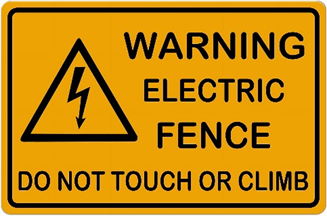
What does the sign mean?

Hình minh hoạ

  1. Đáp án A: The fence has electricity, so you can touch or climb it.
  2. Đáp án B: The fence is electric because you don’t touch it.
  3. Đáp án C: You mustn’t touch or climb the fence because it has electricity.
  4. Đáp án D: Touching the fence causes electricity, so don’t do it.
Xem đáp án và lời giải

Tất cả đề B. Vocabulary & Grammar · Các bộ sách Tiếng Anh Lớp 7